Menu
Kirill Komarov

Vacation Rental Marketplace Platform Design
Vacation Rental Marketplace Platform Design
Figma • Photoshop
Project details
Project details
About the project
About the project
The project focused on designing a desktop MVP marketplace for short-term vacation rentals across Germany, Austria, and Switzerland. The main goal was to create a trustworthy and user-friendly platform tailored to travelers aged 40–55 and older, helping them easily discover, compare, and book holiday accommodations. Particular attention was given to simplifying the booking process, improving transparency, and building confidence through clear information architecture and intuitive user flows.
The project focused on designing a desktop MVP marketplace for short-term vacation rentals across Germany, Austria, and Switzerland. The main goal was to create a trustworthy and user-friendly platform tailored to travelers aged 40–55 and older, helping them easily discover, compare, and book holiday accommodations. Particular attention was given to simplifying the booking process, improving transparency, and building confidence through clear information architecture and intuitive user flows.

My Approach
The design process focused on several key objectives:
The design process focused on several key objectives:
Creating a simple and accessible booking experience for a mature audience;
Creating a simple and accessible booking experience for a mature audience;
Building trust through transparent information, verified listings, and clear pricing;
Building trust through transparent information, verified listings, and clear pricing;
Designing an intuitive search and discovery system with powerful filtering options;
Designing an intuitive search and discovery system with powerful filtering options;
Improving content structure and visual hierarchy across all pages;
Improving content structure and visual hierarchy across all pages;
Establishing a scalable design system for future platform growth.
Establishing a scalable design system for future platform growth.
My Role
My Role
During the project, I was responsible for the end-to-end product design process, from initial research to high-fidelity interface design. The work was based on a detailed business brief and competitive analysis of leading vacation rental platforms.
During the project, I was responsible for the end-to-end product design process, from initial research to high-fidelity interface design. The work was based on a detailed business brief and competitive analysis of leading vacation rental platforms.
My responsibilities included:
My responsibilities included:
Conducting market and competitor research;
Conducting market and competitor research;
Analyzing user needs and target audience behavior;
Analyzing user needs and target audience behavior;
Defining information architecture and user flows;
Defining information architecture and user flows;
Creating wireframes and UX concepts;
Creating wireframes and UX concepts;
Designing high-fidelity desktop interfaces;
Designing high-fidelity desktop interfaces;
Developing a scalable design system and UI components;
Developing a scalable design system and UI components;
Prototyping key user journeys;
Prototyping key user journeys;
Preparing design documentation for future development.
Preparing design documentation for future development.

Research and Problem Definition
Research and Problem Definition
Research and Problem
Definition
Before starting the design process, I analyzed the vacation rental market and reviewed major competitors, including Airbnb, FeWo-direkt, HomeToGo, and other accommodation platforms. The research revealed that many services either overwhelm users with complex interfaces or focus on audiences with different needs and expectations.
Before starting the design process, I analyzed the vacation rental market and reviewed major competitors, including Airbnb, FeWo-direkt, HomeToGo, and other accommodation platforms. The research revealed that many services either overwhelm users with complex interfaces or focus on audiences with different needs and expectations.
Key areas identified for improvement included:
Key areas identified for improvement included:
The primary challenge was to create a platform that feels reliable, straightforward, and comfortable for middle-aged and older travelers. Users needed a simple way to search for accommodations, compare options, understand pricing, and complete bookings without confusion or unnecessary complexity.
The primary challenge was to create a platform that feels reliable, straightforward, and comfortable for middle-aged and older travelers. Users needed a simple way to search for accommodations, compare options, understand pricing, and complete bookings without confusion or unnecessary complexity.
Simplifying navigation and reducing cognitive load;
Simplifying navigation and reducing cognitive load;
Creating a clearer structure for property discovery and comparison;
Creating a clearer structure for property discovery and comparison;
Increasing trust through transparent information and visual cues;
Increasing trust through transparent information and visual cues;
Making booking-related information easier to find and understand;
Making booking-related information easier to find and understand;
Designing an interface that remains accessible and intuitive for less tech-savvy users.
Designing an interface that remains accessible and intuitive for less tech-savvy users.
The resulting product strategy focused on clarity, trust, simplicity, and ease of use throughout the entire booking journey.
The resulting product strategy focused on clarity, trust, simplicity, and ease of use throughout the entire booking journey.
Workflow and Process
Workflow and Process
Although every project has unique requirements, I followed a structured design process to ensure that business goals and user needs were aligned throughout the product development journey.
The process included research, competitor analysis, information architecture, user flow creation, wireframing, UI design, prototyping, and design system development. Each stage helped validate decisions and reduce complexity before moving to the next step.
Although every project has unique requirements, I followed a structured design process to ensure that business goals and user needs were aligned throughout the product development journey.
The process included research, competitor analysis, information architecture, user flow creation, wireframing, UI design, prototyping, and design system development. Each stage helped validate decisions and reduce complexity before moving to the next step.

Briefing & Requirements
Briefing & Requirements
The project started with analyzing the business brief, project documentation, and target audience. The primary objective was to create a trustworthy vacation rental platform for users in Germany, Austria, and Switzerland.
Special attention was given to booking simplicity, transparency, and accessibility for middle-aged and older travelers. Clear requirements helped define the product scope and prioritize the most valuable MVP features.
The project started with analyzing the business brief, project documentation, and target audience. The primary objective was to create a trustworthy vacation rental platform for users in Germany, Austria, and Switzerland.
Special attention was given to booking simplicity, transparency, and accessibility for middle-aged and older travelers. Clear requirements helped define the product scope and prioritize the most valuable MVP features.

Competitor Analysis
Competitor Analysis
To better understand industry standards and user expectations, I analyzed leading vacation rental platforms including Airbnb, FeWo-direkt, HomeToGo, and other accommodation marketplaces.
The research focused on navigation patterns, search experience, booking flows, trust-building mechanisms, and property presentation. The findings helped identify both best practices and opportunities for differentiation.
To better understand industry standards and user expectations, I analyzed leading vacation rental platforms including Airbnb, FeWo-direkt, HomeToGo, and other accommodation marketplaces.
The research focused on navigation patterns, search experience, booking flows, trust-building mechanisms, and property presentation. The findings helped identify both best practices and opportunities for differentiation.

Information Architecture
Information Architecture
After gathering requirements and competitor insights, I structured the platform's content and functionality into a clear and scalable information architecture. This helped simplify navigation and ensure that users could easily access key features such as search, booking management, favorites, and support.
After gathering requirements and competitor insights, I structured the platform's content and functionality into a clear and scalable information architecture. This helped simplify navigation and ensure that users could easily access key features such as search, booking management, favorites, and support.

User Flows
User Flows
User flows were designed to map the complete booking journey, from searching for accommodation to completing a reservation. The goal was to minimize friction and create a predictable experience for users with different levels of digital confidence.
User flows were designed to map the complete booking journey, from searching for accommodation to completing a reservation. The goal was to minimize friction and create a predictable experience for users with different levels of digital confidence.

Wireframes
Wireframes
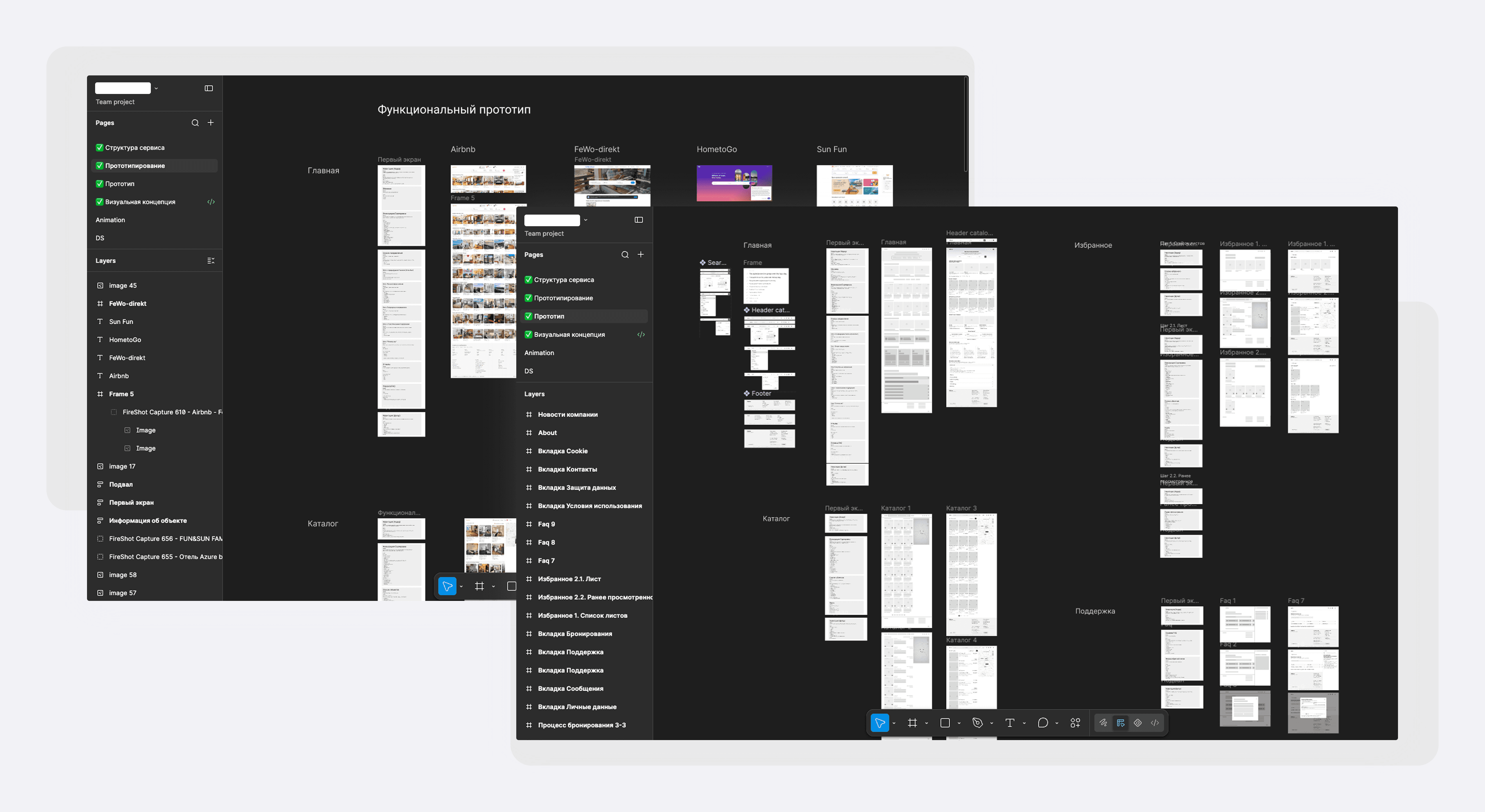
Wireframes were created to define the structure, user journeys, and content hierarchy before moving to visual design. This stage helped validate navigation patterns, booking flows, and page layouts while focusing purely on usability and functionality.
Low-fidelity prototypes allowed rapid iteration and early testing of key assumptions, reducing design risks before investing time in detailed UI development.
Wireframes were created to define the structure, user journeys, and content hierarchy before moving to visual design. This stage helped validate navigation patterns, booking flows, and page layouts while focusing purely on usability and functionality.
Low-fidelity prototypes allowed rapid iteration and early testing of key assumptions, reducing design risks before investing time in detailed UI development.

Design System
Design System
To ensure consistency and scalability, I developed a design system including color tokens, typography, spacing rules, components, and interaction states. This provided a solid foundation for future product growth and development.
To ensure consistency and scalability, I developed a design system including color tokens, typography, spacing rules, components, and interaction states. This provided a solid foundation for future product growth and development.

Final UI
Final UI
The final design delivers a clean, trustworthy, and user-friendly booking experience tailored to the needs of travelers in the DACH region. The interface prioritizes clarity, transparent pricing, and efficient property discovery while maintaining a modern and professional visual identity.
The final design delivers a clean, trustworthy, and user-friendly booking experience tailored to the needs of travelers in the DACH region. The interface prioritizes clarity, transparent pricing, and efficient property discovery while maintaining a modern and professional visual identity.

Key Screens
Key Screens
The project included the design of more than 40 unique screens covering the entire customer journey, from accommodation discovery to booking management and customer support.
Key screens included the Home Page, Search & Catalog, Property Details, Booking Flow, User Profile, Favorites, Comparison, Support Center, Company Information, and News sections. Each screen was designed to maintain consistency, improve discoverability, and support a seamless booking experience.
The project included the design of more than 40 unique screens covering the entire customer journey, from accommodation discovery to booking management and customer support.
Key screens included the Home Page, Search & Catalog, Property Details, Booking Flow, User Profile, Favorites, Comparison, Support Center, Company Information, and News sections. Each screen was designed to maintain consistency, improve discoverability, and support a seamless booking experience.


Interactive Prototype
Interactive Prototype
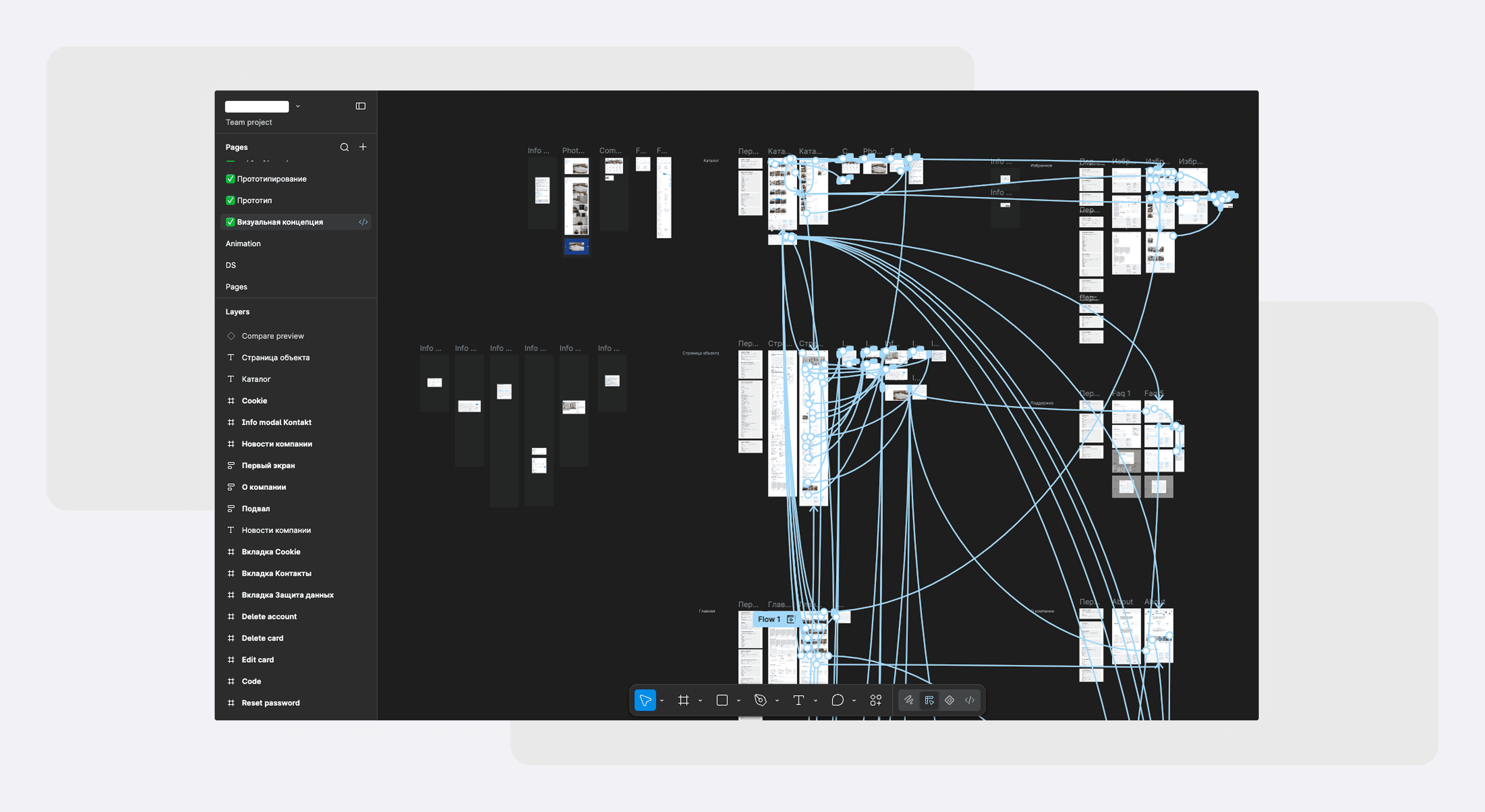
To demonstrate the product vision and validate user flows, an interactive high-fidelity prototype was created in Figma. The prototype simulated key user interactions and booking scenarios, allowing stakeholders to experience the platform before development began.
This approach helped communicate design decisions more effectively, gather feedback early, and align expectations between design and business teams.
To demonstrate the product vision and validate user flows, an interactive high-fidelity prototype was created in Figma. The prototype simulated key user interactions and booking scenarios, allowing stakeholders to experience the platform before development began.
This approach helped communicate design decisions more effectively, gather feedback early, and align expectations between design and business teams.
Outcome & Learnings
Outcome & Learnings
The result was a complete desktop MVP concept for a vacation rental marketplace tailored to the DACH region. The project included a scalable design system, more than 40 unique screens, and a fully interactive prototype covering the core user experience.
One of the key learnings was the importance of balancing feature richness with simplicity. Research showed that users value trust, transparency, and ease of use more than advanced functionality. This reinforced the idea that effective product design is often about reducing complexity rather than adding more features.
The result was a complete desktop MVP concept for a vacation rental marketplace tailored to the DACH region. The project included a scalable design system, more than 40 unique screens, and a fully interactive prototype covering the core user experience.
One of the key learnings was the importance of balancing feature richness with simplicity. Research showed that users value trust, transparency, and ease of use more than advanced functionality. This reinforced the idea that effective product design is often about reducing complexity rather than adding more features.

My Approach
I published the final design on Behance, where you can explore it in more detail.
This project provided valuable experience in solving real-world product design challenges, balancing business requirements with user needs, and designing a scalable marketplace experience from concept to prototype.
Selected projects
Selected projects

WeMake Studio Website Redesign
WeMake Studio Website Redesign
UX/UI
•
Web Design
•
Product Design
•
Motion Design
•
Visual Design
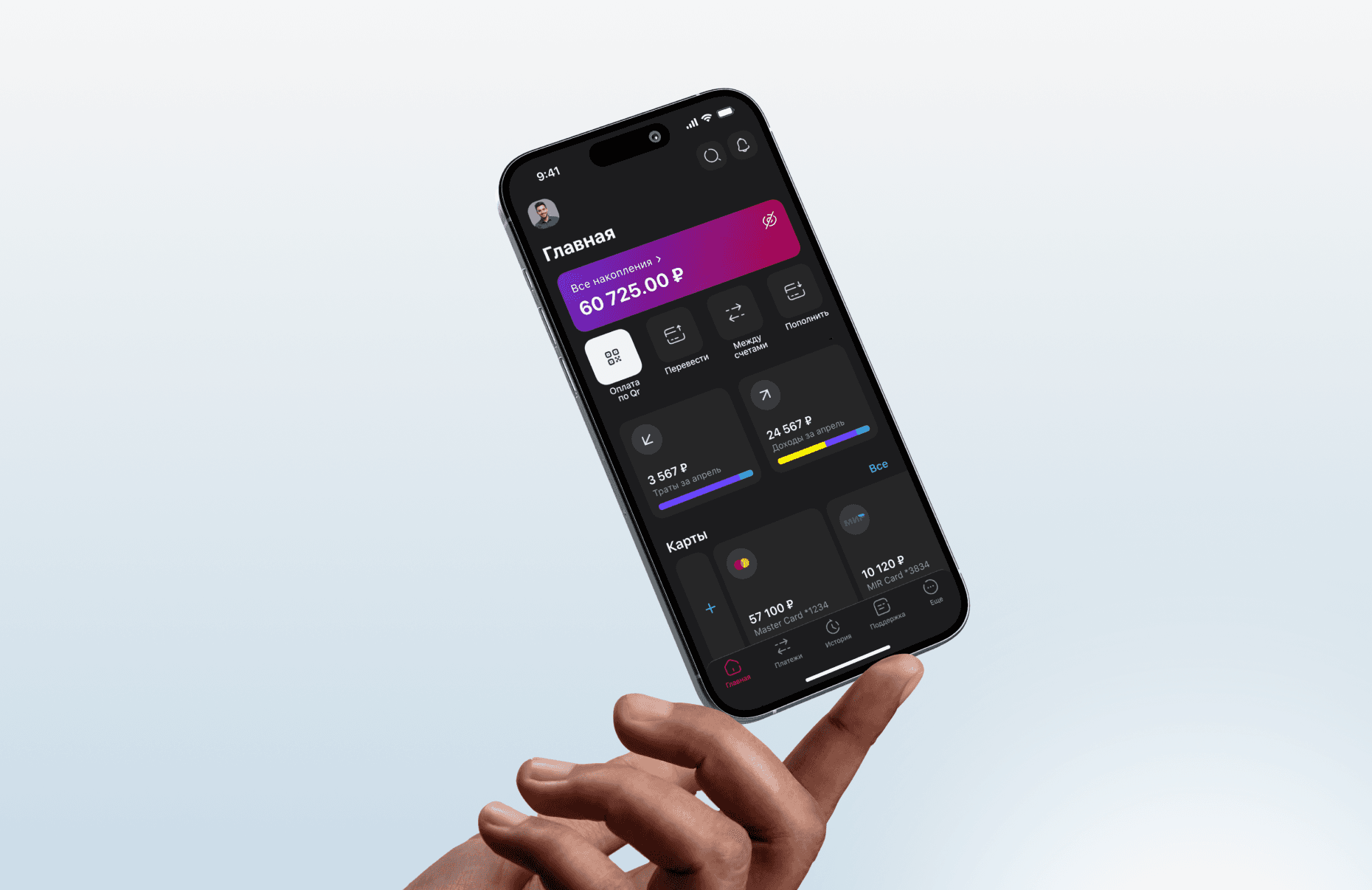
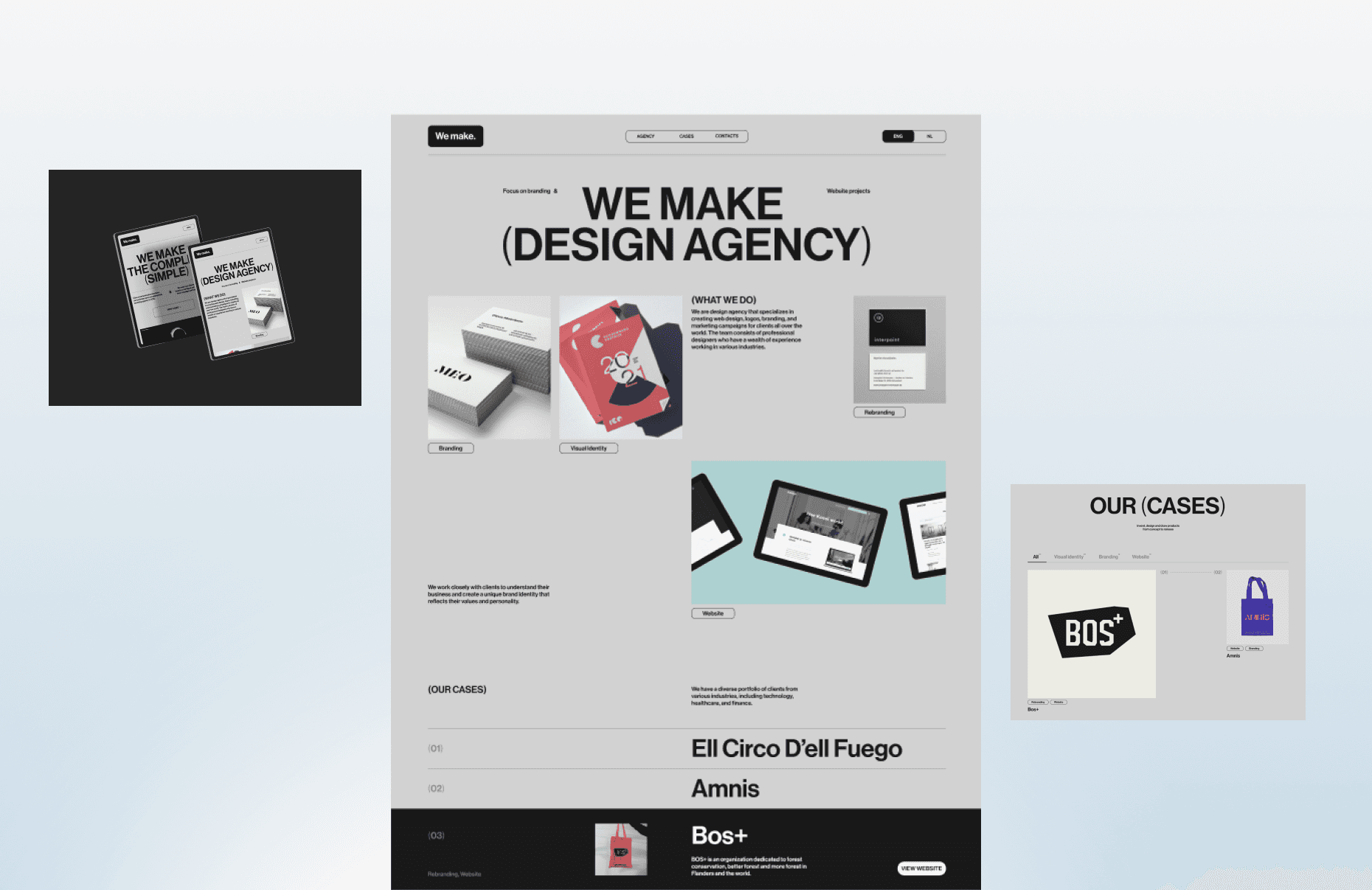
This project won the Uprock Awards. A redesign of a design studio website focused on improving content structure, visual identity, and project presentation while maintaining a clean and minimal aesthetic
WeMake Studio Website Redesign
UX/UI
•
Web Design
•
Product Design
•
Motion Design
•
Visual Design
This project won the Uprock Awards. A redesign of a design studio website focused on improving content structure, visual identity, and project presentation while maintaining a clean and minimal aesthetic
Email me
Copyright © 2025
Email me
Copyright © 2025
Email me
Copyright © 2025